August 16, 2026 · 8 min read
How to Choose the Perfect Yarn for Your Next Crochet Project
You can follow a pattern perfectly and still end up with a lumpy amigurumi or a bag that won't hold its shape — and nine times out of ten, the yarn is the reason. Choosing the right yarn isn't complicated once you know what to look for. Here's how to walk past the overwhelming yarn wall and pick with confidence.
Start with the ball band — it tells you almost everything
That little paper wrapper around the yarn is a cheat sheet. Before anything else, it tells you the fiber (cotton, acrylic, wool, a blend), the weight (how thick the yarn is), and the recommended hook size. Match those three things to your pattern and you're most of the way there.
Cotton vs acrylic — especially for amigurumi
These are the two most common beginner choices, and they behave differently:
- Cotton — firm, with crisp stitch definition, and it doesn't fuzz, so your amigurumi looks neat and the "Vs" are easy to count. It shows off shaping beautifully. The trade-offs: it has almost no stretch (a little tougher on the hands) and is slightly less forgiving of uneven tension.
- Acrylic — soft, inexpensive, comes in every colour, and is gentle on beginner hands. It's forgiving and usually machine-washable, which is perfect for kids' toys. The trade-off: it can look a touch fuzzier and blur fine detail.
- Cotton-acrylic blends — a lovely middle ground: some of cotton's crispness with acrylic's softness and friendlier price.
For amigurumi specifically: cotton or a cotton blend gives the cleanest, most professional finish. For a first-ever project where you just want to practise, a smooth acrylic is perfectly fine and kinder to your hands.
Yarn weights, explained without the jargon
"Weight" simply means thickness. Thicker yarn works up faster and bigger; thinner yarn gives finer detail. From thin to thick, the ones you'll meet most:
- Sport — thin; small, detailed makes and delicate amigurumi.
- DK (double knitting) — medium-light; a lovely all-rounder for toys and accessories.
- Worsted / Aran — medium; the most common weight, easy to see and count, and what most beginner patterns call for.
- Bulky / super bulky — thick; fast, chunky makes like market bags and quick decor.
The most important rule: use the weight your pattern asks for. Swapping a worsted pattern to sport yarn gives you a much smaller finished piece that behaves differently. If you want to substitute, match the weight first and colour second.
Matching your hook to your yarn
Every ball band suggests a hook range — but amigurumi bends one rule on purpose:
- For garments and bags, use roughly the hook the band recommends, then adjust to hit the pattern's gauge.
- For amigurumi, go down a hook size or two from the band's suggestion. A smaller hook makes a tighter fabric so the stuffing can't peek through. If you can see white fluff between your stitches, your hook is too big.
Tip: most amigurumi patterns tell you the exact hook and yarn they used — start there for your first make, then experiment once you know how your own tension behaves.
Why tension matters (and how to even it out)
Tension is just how tightly you crochet, and it matters for two reasons:
- Amigurumi: firm, even tension keeps the fabric dense, so toys hold their shape and hide the stuffing. Loose tension gives you a floppy, gappy toy.
- Wearables and bags: tension controls the finished size. That's why patterns give a gauge ("16 sc x 18 rows = 4 inches") — a quick swatch tells you whether your size will come out right before you commit hours to it.
If your tension is uneven at first, that's completely normal — it evens out with practice. Relax your grip, keep a steady rhythm, and resist yanking the yarn tight after every stitch.
Quick picks for common projects
- Amigurumi toys — worsted or DK cotton (or a cotton blend), with a hook a size or two smaller than the band suggests.
- Market bags and totes — cotton or T-shirt yarn for structure and strength.
- Hats and accessories — soft worsted or DK; a wool or wool blend adds warmth and a little stretch.
Ready to cast on
The best yarn lesson is a real project in your hands. If you're choosing your next make:
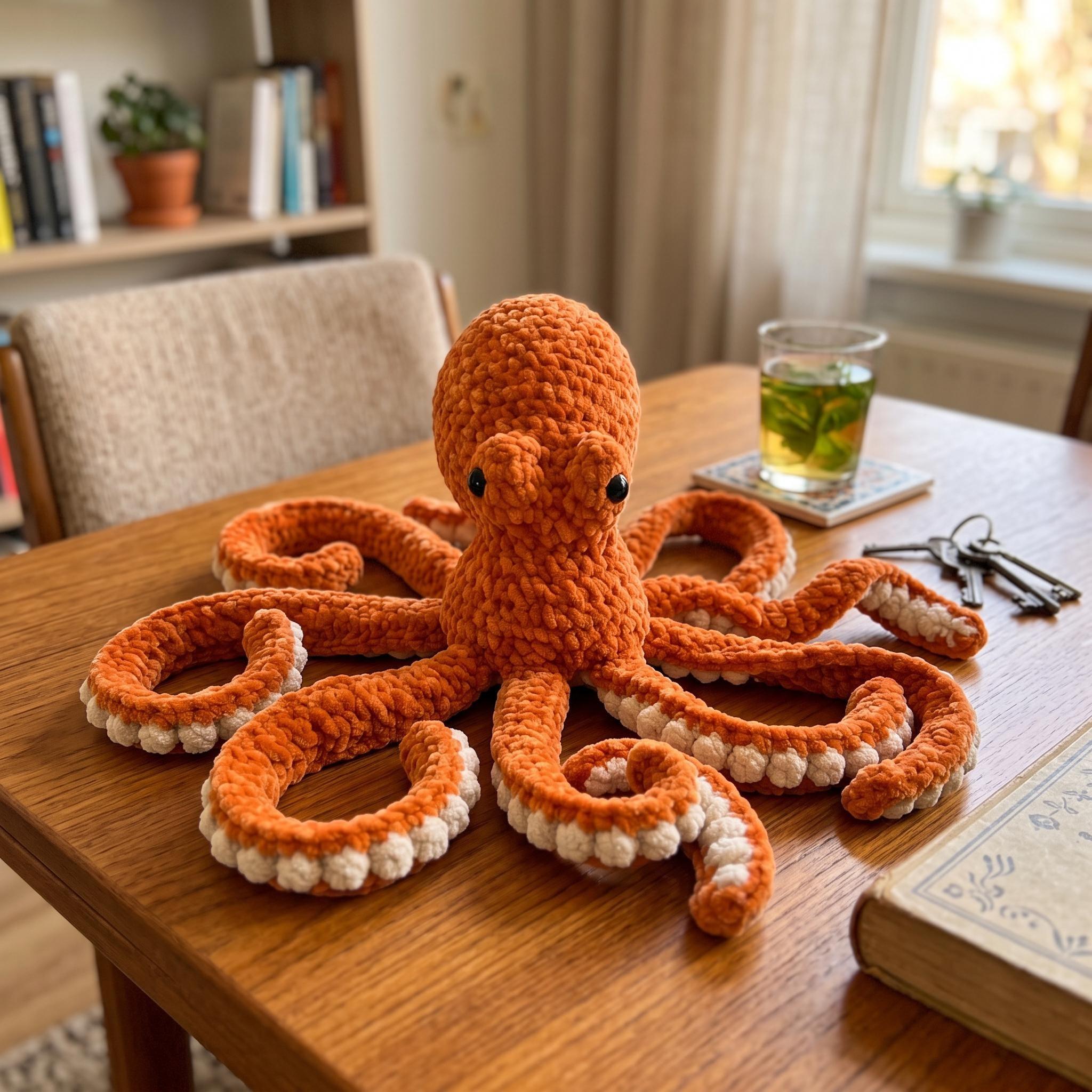
- Anchor the Octopus — a friendly worsted-weight amigurumi to practise firm, even tension.
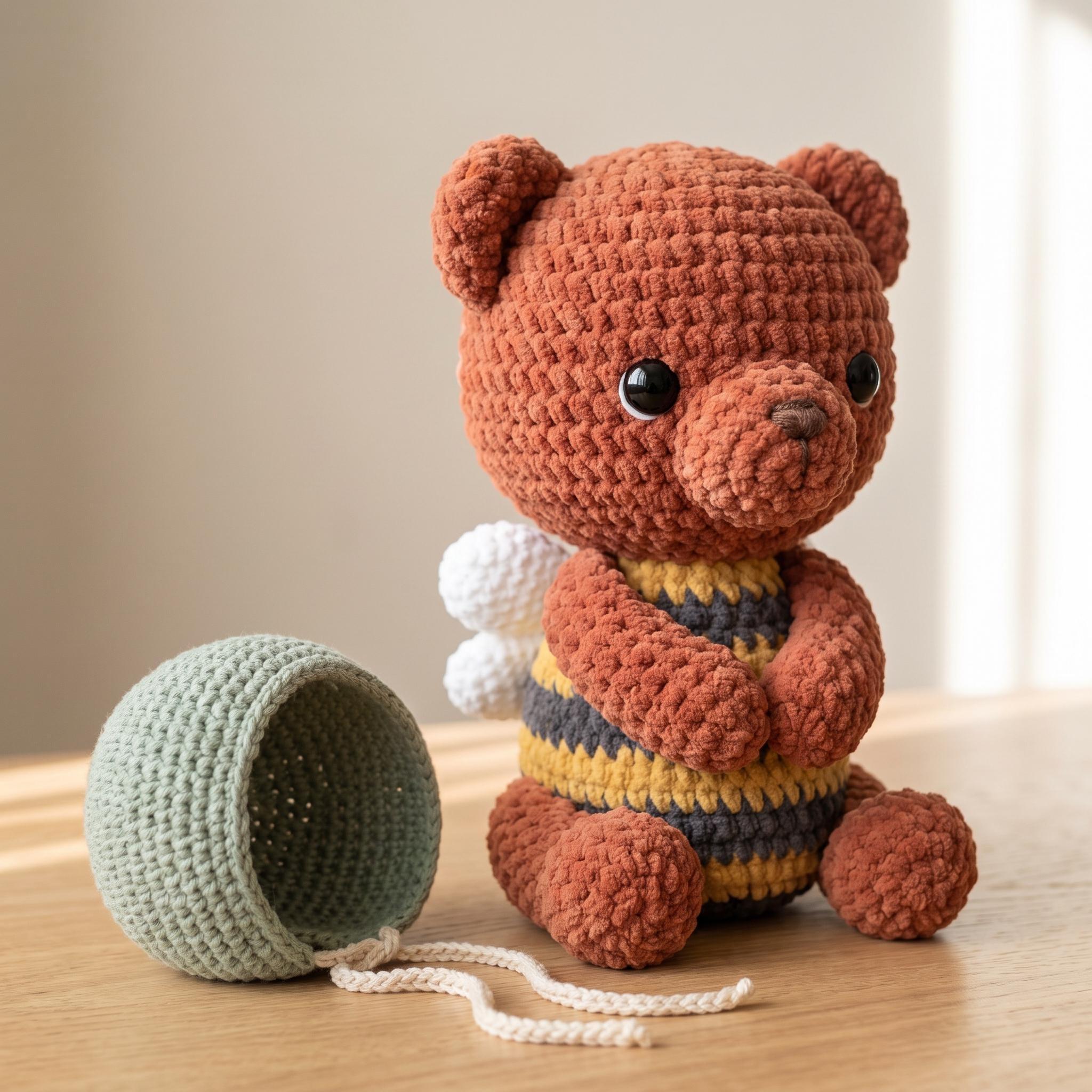
- Finn Bear with Bee Suit — a chunky, huggable make that shows off cotton's crisp stitch definition.
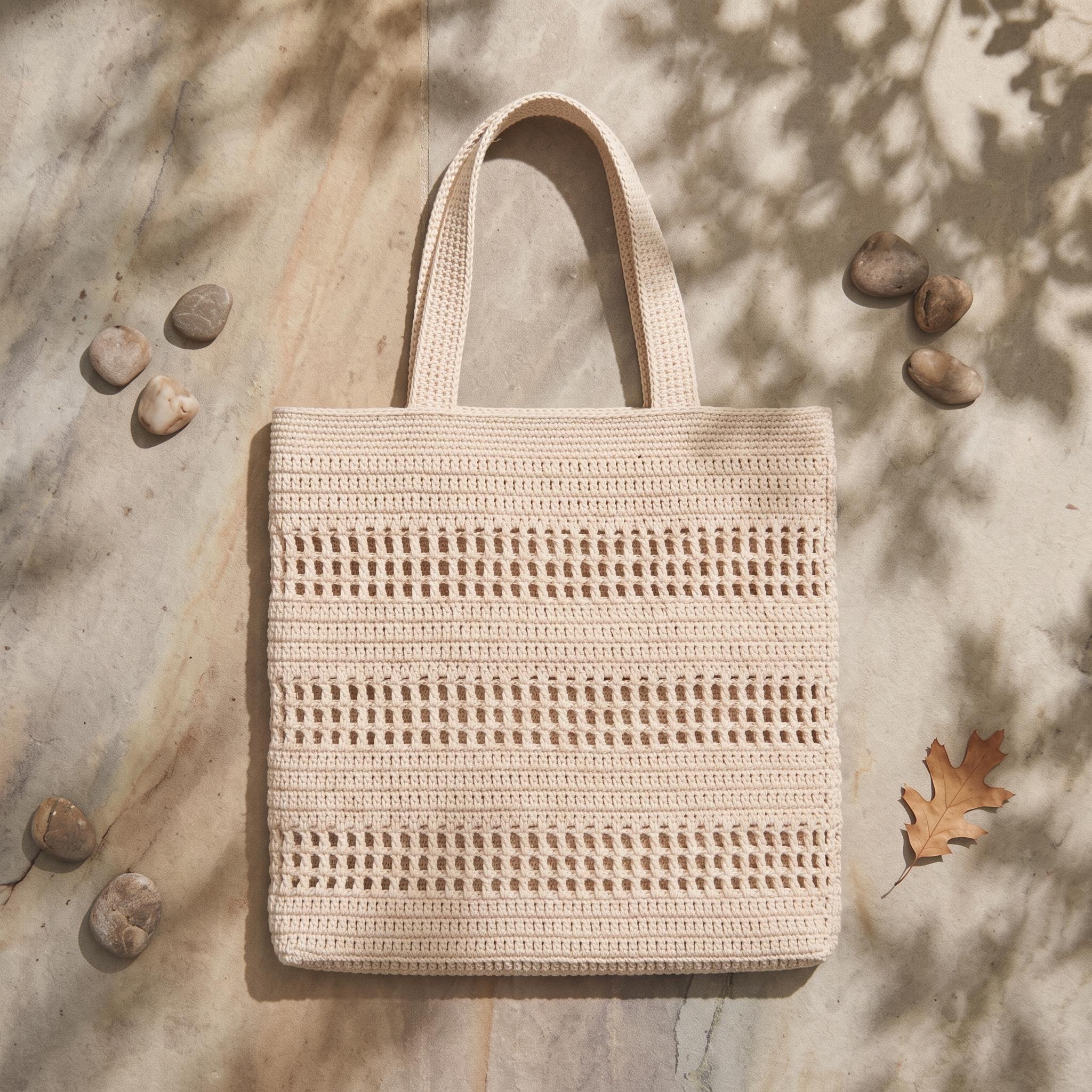
- Crochet Mesh Market Tote — a cotton bag where structure and tension really shine.
Each is an instant PDF download in US terms with photo tutorials and the exact yarn and hook we used, so you can shop with confidence. Browse the full beginner crochet collection to find your perfect starting point.